
I have just got back from my (and my twin brother’s) birthday trip to Paris, and I thought I would share some highlights. The weather was surprisingly warm, and my family and I enjoyed the city’s autumnal foliage, tucking into our French onion soups, and just wondering around Paris at this time of the year. Below are the four cultural stops I made during this trip.
Opéra Garnier
This is an imposing historic building designed by Charles Garnier for Napoleon III. Its construction started in 1861 and was completed in 1875. Its distinguishing features are the Grand Staircase, a ceremonial staircase of white marble, Grand Foyer, a hall whose ceiling was painted by Paul-Jacques-Aimé Baudry (1828-1886) and includes music scenes, 1,979-seat auditorium, Cave of Pythia, a notable sculpture, mosaic panels, among other architectural features.

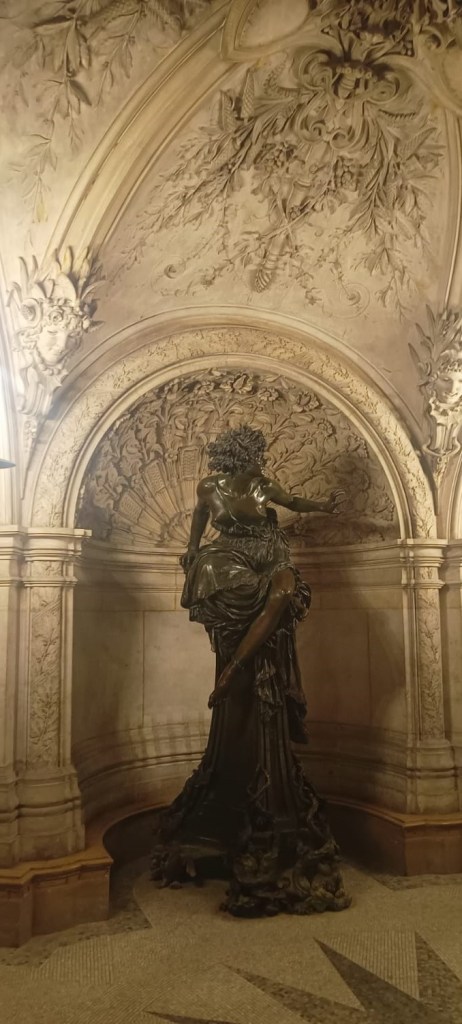
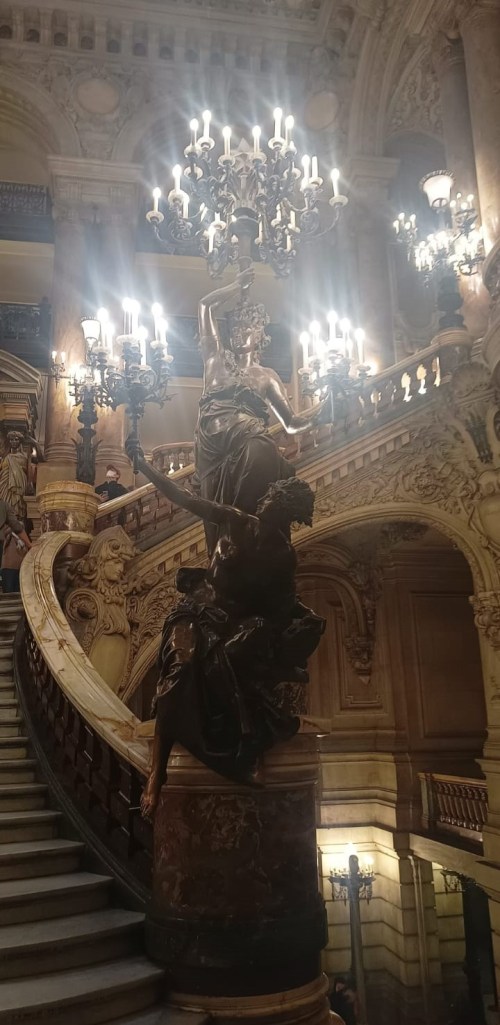
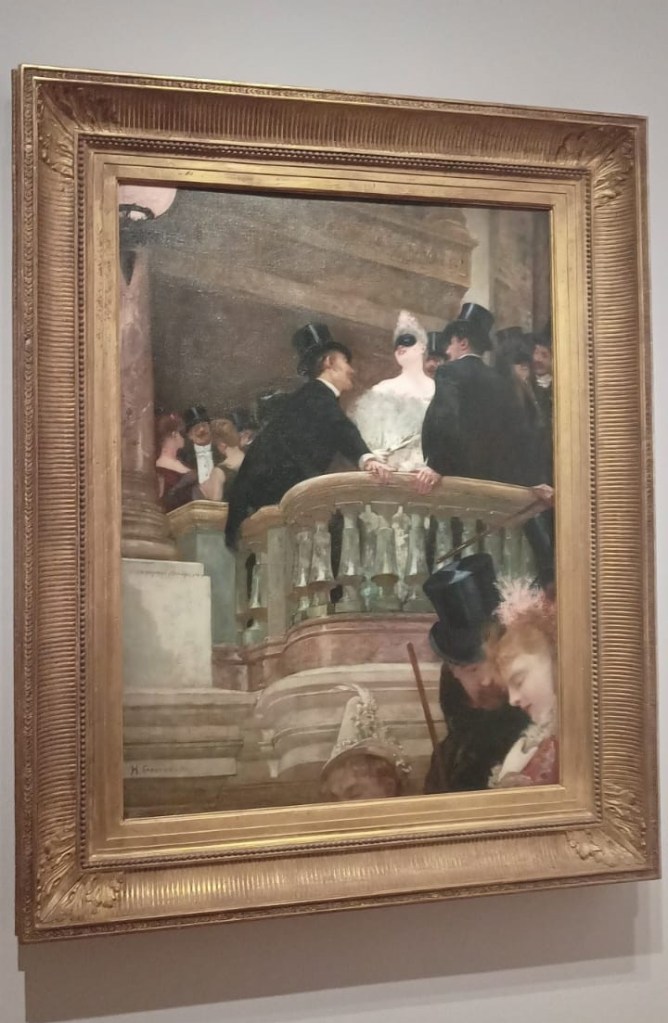
The building is one of the top Paris attractions as it famously provided an inspiration for Gaston Leroux‘s 1910 novel The Phantom of the Opera, later adapted into films and a musical. There is a small lake underneath the palace, which the Phantom in Leroux’s novel traversed to get to his secret lair. It is still used by firemen for water rescue safety training.
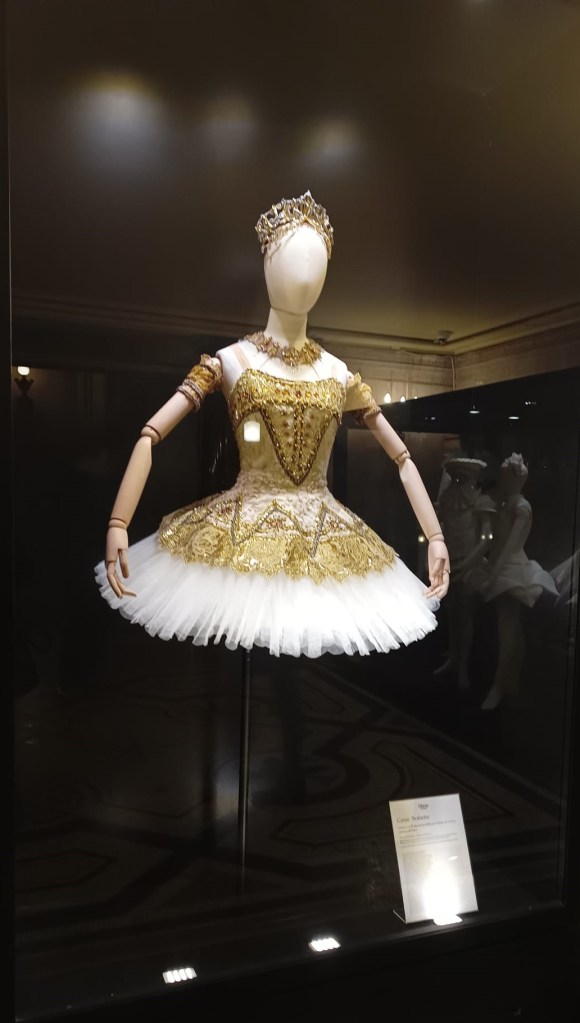


There is also a charming small museum inside the palace that tells the history of opera and ballet through a well-curated collection of scripts, paintings, photographs, models of stage sets and memorabilia, and, adjacent to it, is the library of books and manuscripts on opera, dance and music in general. I also enjoyed viewing the exhibition of past ballet costumes (see photos above) scattered throughout the building, and the souvenir shop on the ground floor is relatively large with an impressive collection of books, stationery, clothes, etc.
Maison de Victor Hugo
Maison de Victor Hugo is based in the Marais, and this is where Victor Hugo lived (on the second floor of the former Hôtel de Rohan-Guéméné) from 1832 to 1848, writing most of Les Misérables. I have wanted to visit this place for a very long time (Victor Hugo (The Toilers of the Sea)) is one of my all-time favourite authors), and it ended up bigger than I imagined. On display are reconstructions of the rooms, Victor Hugo’s drawings, illustrations, his personal items, and other exhibits.
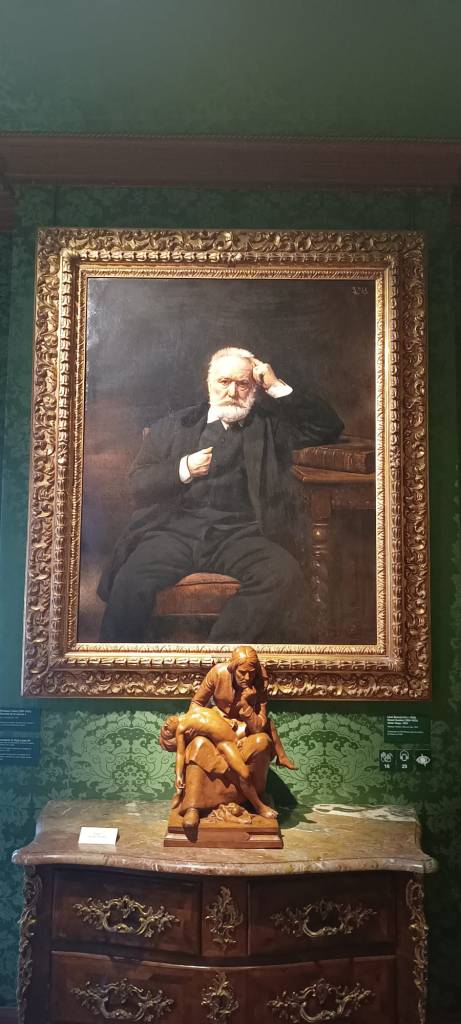
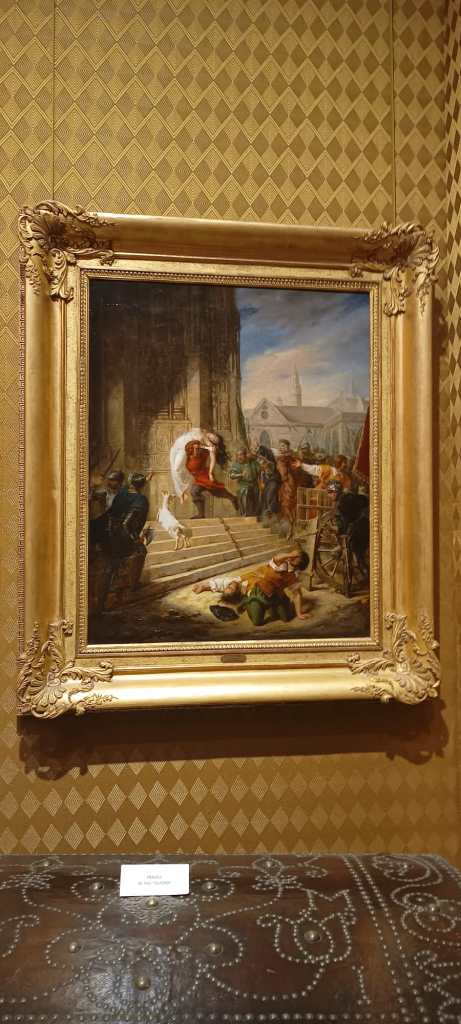
My favourite Hugo book is Notre-Dame de Paris, so I especially appreciated seeing all the paintings related to it. Below is the portrait of Victor Hugo by French painter Leon Bonnat, and next to it, is the painting by Eugénie Henry-Latil titled Quasimodo Saves Esmeralda From Her Executioners, 1832. This is a dramatic episode from the novel where Quasimodo, dressed in bright red in the work, carries away Esmeralda, who has fainted before reaching the gallows. Together with her faithful pet goat Djali, Esmeralda, dressed in white, represents the innocence saved by the most unlikely “hero”.
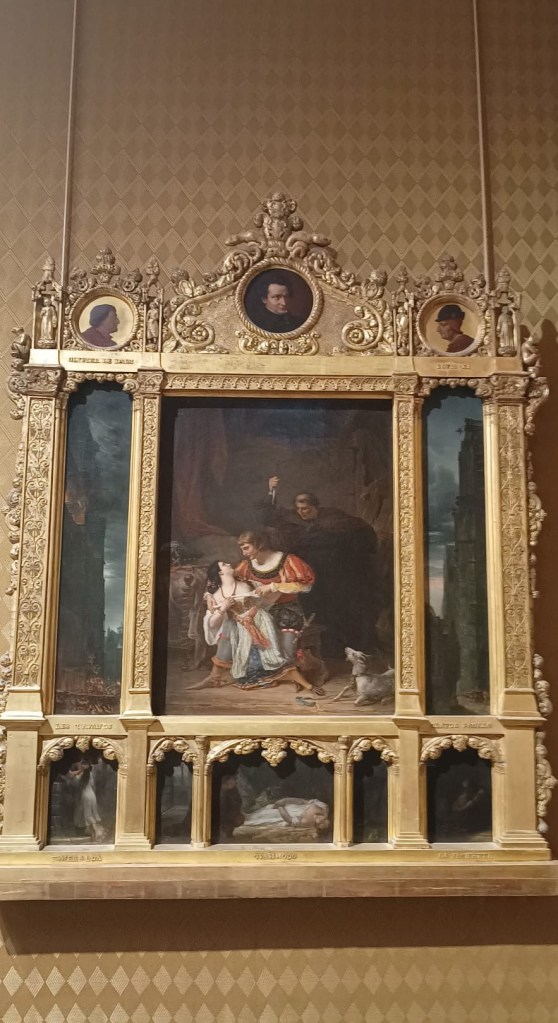
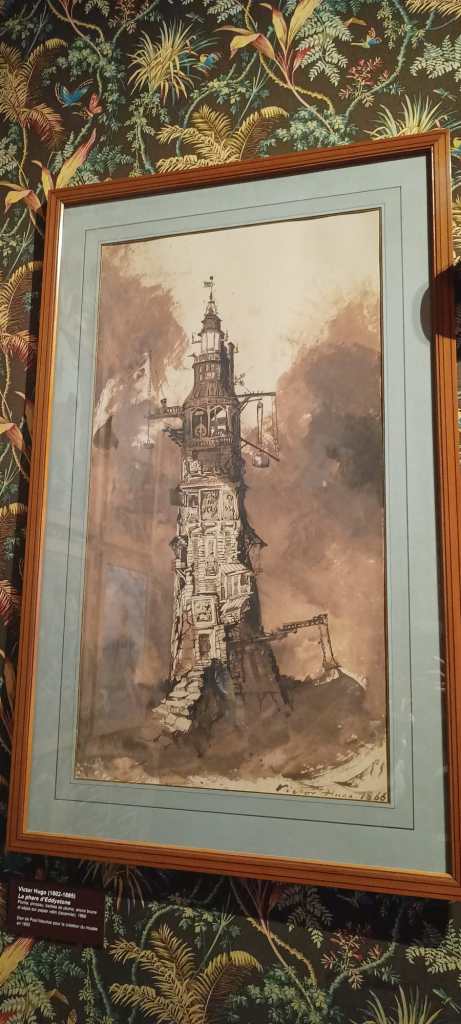
Next to it, is a painting by Auguste Couder that shows a book scene where Archdeacon Claude Frollo, in a fit of jealousy, makes an attempt on the life of Captain Phoebus, who managed to arrange a rendezvous with Esmeralda (see also my review of Roland Petit’s ballet Notre-Dame de Paris). Victor Hugo was also an artist who created more than four thousand drawings. Some of them are exhibited in the museum. The final painting below is Victor Hugo’s Le Phare d’Eddystone (The Lighthouse Eddystone).
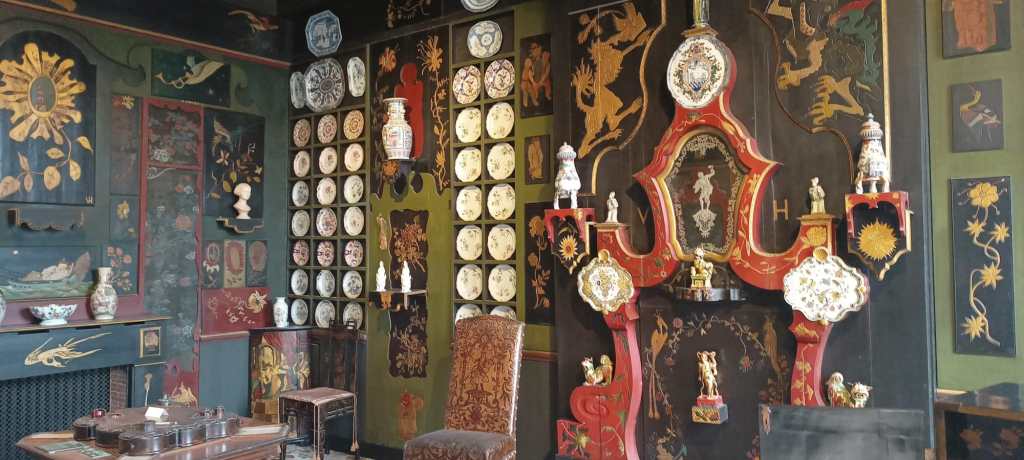
Perhaps the most awe-inspiring room in the house is this salon or living room (see below) decorated by Victor Hugo while he was in exile. It was completed for Juliette Drouet’s neighbouring house, Hauteville II in Guernsey. The techniques for panelling and engraving were inspired by Chinese panels, and there is whimsy and humour seen in the decorations and furnishings. Victor Hugo called the house “education for the mind in the form of a house”. The Maison Victor Hugo site says: “Victor’s style of interior design is not dissimilar to his style of writing, and often plays with oxymorons and antitheses. He spoke of “old Chinese Holland” and liked to combine Chinese and Gothic elements, contrasting Flemish tapestries and Turkish carpets with Delft tiles and Japanese porcelain” (original source).
Musée Carnavalet
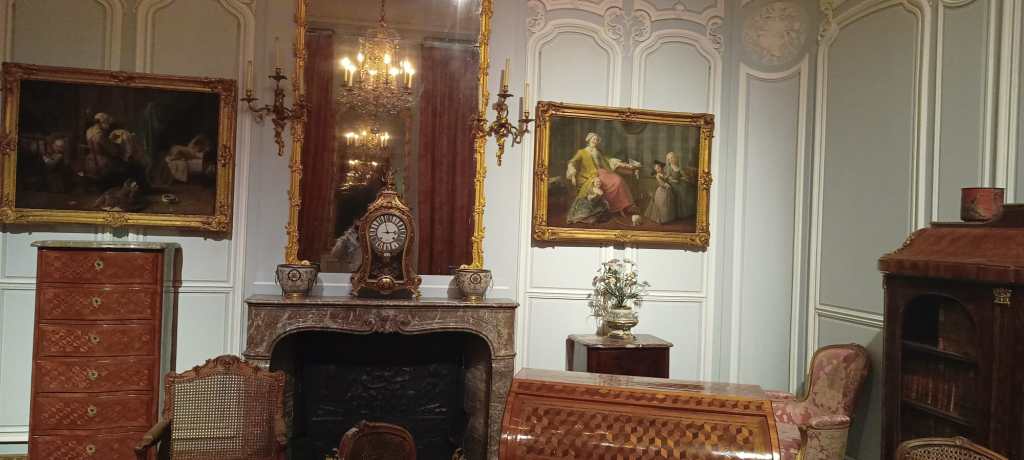
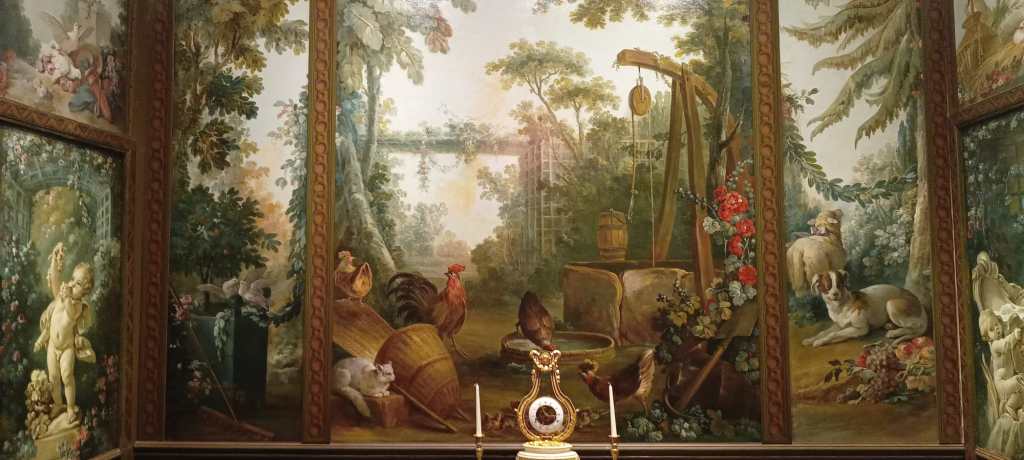
My trip to this museum was more of a research trip, too since I am currently writing a historical fiction set in the eighteenth century Paris (the Enlightenment). The building itself dates to 1548, and the museum was first opened to the public in 1880. After its recent refurbishment, it has now become an even bigger place showcasing different periods of Paris history, historic objects, and numerous paintings. The lower levels of the museum are devoted to the early history up to the Middle Ages, while the upper floors showcase the late 16th, 17th and 18th century Paris, French Revolution, “The Paris of Napoleon III”, and “Paris in the Belle Époque”. I particularly liked viewing all the models of rooms. The museum also contains the gallery of historic shop signs.
Sainte-Chapelle
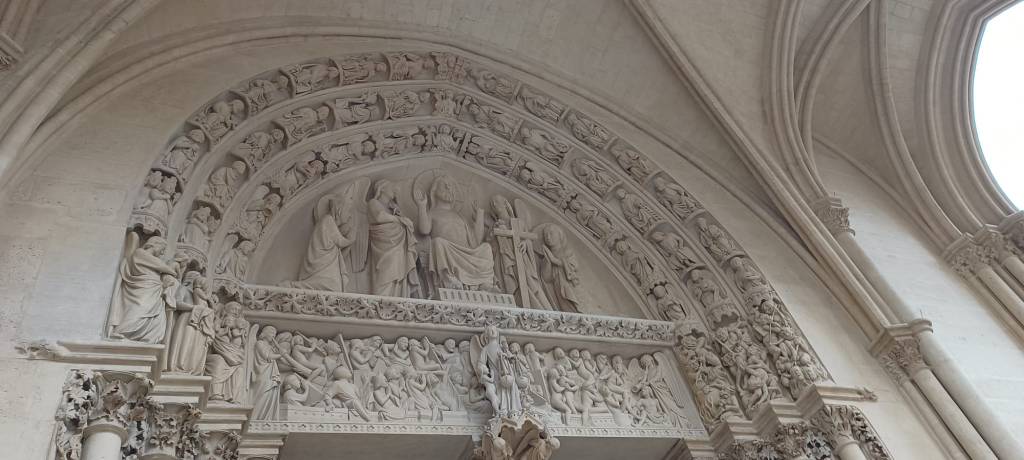
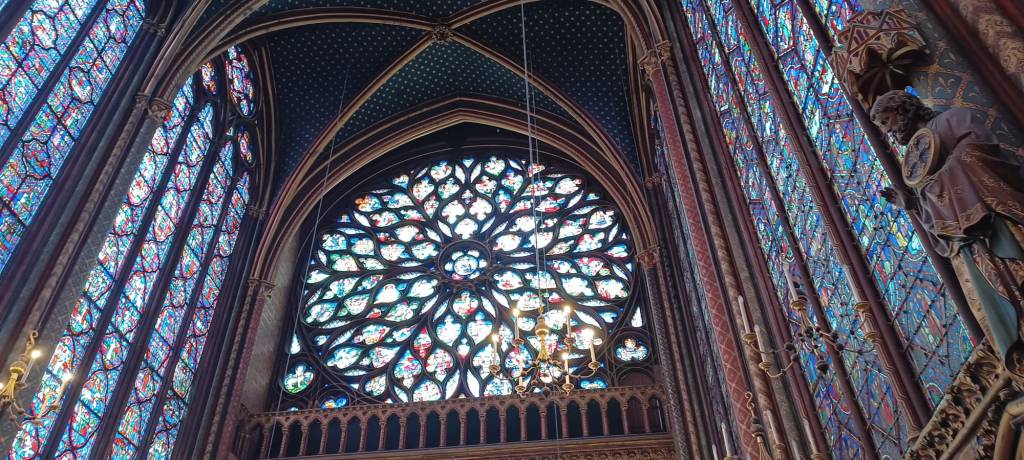
This magnificent church dates back to the thirteenth century, and is considered to be one of the most beautiful in the Western world. It was built by King Louis IX to house his collection of relics, though the original architect is unknown. It is divided into the Lower Chapel (originally reserved for commoners), and the Upper Chapel (reserved for the King and his family), and boasts fifteen magnificent stained-glass windows that depict more than one thousand biblical scenes. Touring the church is a truly magical experience, especially on a sunny day or at sunset to enjoy the full beauty of the stained-glass windows.


See also highlights of my previous Paris trip that I made in April of this year – My Recent Trip to Paris: Cultural Highlights. 🇫🇷 🥐🍾








 English (US) ·