
Ege, who’s Turkish, and Ávra, who’s Greek, wake ready to go fishing with their grandfathers. The mostly straightforward text declares that the girls come from different lands that “do not get along.” Still, there are plenty of parallels to ponder. Both girls are pale-skinned, dark-haired, and dark-eyed. Both grandfathers show their love with fond smiles and share philosophical observations. And when the two pairs cross paths in their fishing boats, both girls are initially suspicious of each other. Tangled lines lead to frustration and then laughter. The children exchange names, work together, and share a meal. Rendered in earthy tones, Tarcan’s digitally created illustrations have a folk-art feel. Sharp-eyed readers will notice that though Ege’s and Ávra’s communities look similar, one town includes a mosque, the other a church. Other details not included in the text add to the impression that Ege and Ávra have more in common than they might think. Greek and Turkish words and phrases add authentic flavor to the simply told narrative. In their backmatter, Mantikas and Büyükoral discuss the tension between their respective countries of origin, Greece and Turkey, and express their op...
Related

The Composer
17 hours ago
5


Want to Fight Book Bans? Start Here.
1 day ago
12

NO IFS, ANDS, OR BUTTS
3 days ago
20

Ming Smith’s Ming Smiths
3 days ago
21

📚 And the finalists are…
3 days ago
22

Links: Librarians, Cross Stitch, & More
4 days ago
24
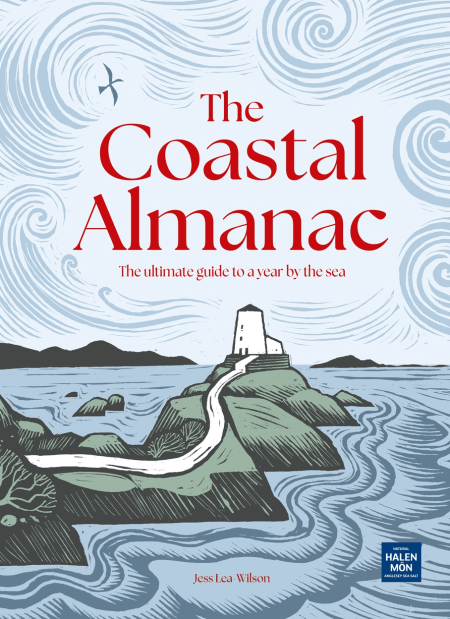
The Coastal Almanac by Jess Lea-Wilson
4 days ago
23
Popular
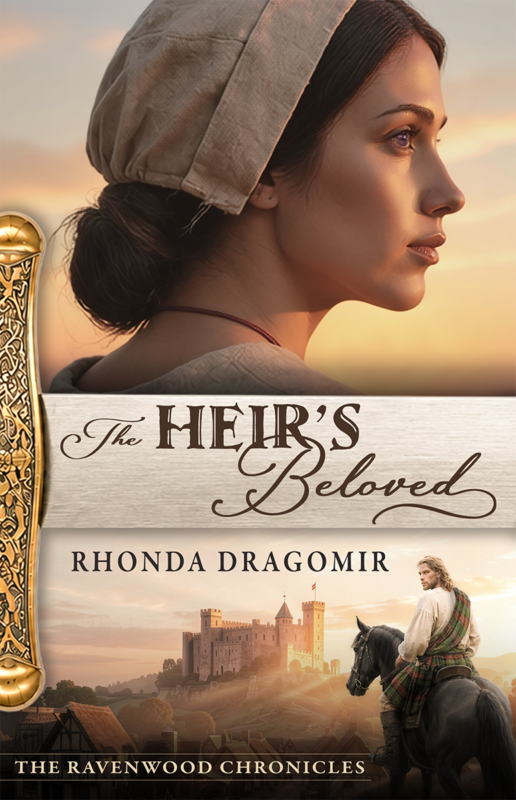
The Heir’s Beloved Blog Tour
1 week ago
158

Book of the Month October 2026 Selections
1 week ago
114


‘Writing on One Table’
3 weeks ago
63

New Graphic Novels for Hispanic Heritage Month
4 weeks ago
59

October 2026 Queer Romances
1 week ago
57

MAZYWOOD
2 weeks ago
56
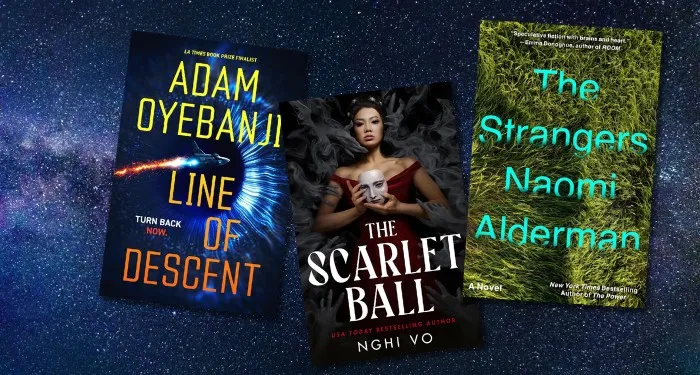

Mother Country
3 weeks ago
53
 English (US) ·
 © Clint's Books 2026. All rights are reserved
