
One of the hallmarks of the modern corporation is the separation of ownership from control. The firm is owned by shareholders but led by managers, who answer to shareholders only indirectly. Actually, it’s weirder than that. The corporation owns itself. Shareholders merely own stock, which is a claim on the firm’s assets and earnings.Elements of this arrangement have been around for centuries. Scholars have detected traces of early “joint-stock” companies in tenth-century China. In 1602 the Dutch East India Company conducted the first initial public offering in history, floating its shares on the newly created Amsterdam stock exchange. But the publicly traded corporation achieved a new prominence in the late nineteenth and early twentieth centuries, during the period of upheaval and dynamism known as the second industrial revolution.Observing the situation in Germany—the only other country that was industrializing as rapidly as the United States at the time—a young Viennese economist named Rudolf Hilferding saw a new stage of capitalism emerging. He called it “finance capital” in an influential book of that title published in 1910. At the heart of Hilferding’s analysis was a simple...
Related
The Composer
15 hours ago
5


Want to Fight Book Bans? Start Here.
1 day ago
12

NO IFS, ANDS, OR BUTTS
2 days ago
18

Ming Smith’s Ming Smiths
3 days ago
21

📚 And the finalists are…
3 days ago
20

Links: Librarians, Cross Stitch, & More
3 days ago
24
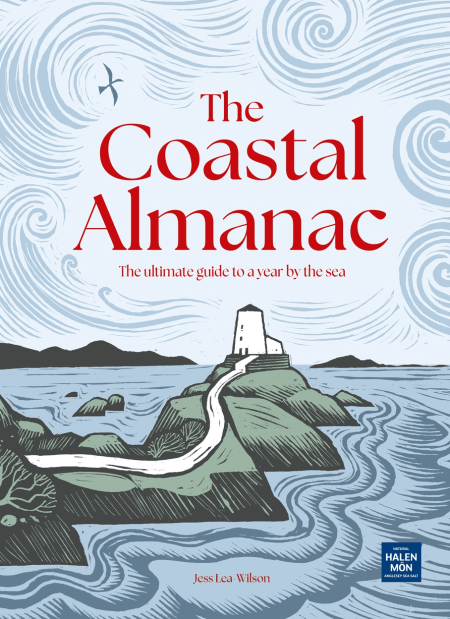
The Coastal Almanac by Jess Lea-Wilson
4 days ago
22
Popular

The Heir’s Beloved Blog Tour
1 week ago
157

Book of the Month October 2026 Selections
1 week ago
113


‘Writing on One Table’
3 weeks ago
63

New Graphic Novels for Hispanic Heritage Month
4 weeks ago
59

MAZYWOOD
2 weeks ago
56

October 2026 Queer Romances
1 week ago
55

Mother Country
3 weeks ago
53
 English (US) ·
 © Clint's Books 2026. All rights are reserved
