
On my last visit to Tripoli, this past June, the city often felt as if it had left the protracted conflicts of Libya’s post-Qaddafi era behind. At night, families were out in the streets catching a respite from the heat of the day. The occasional blasts were not gunfire but fireworks at wedding celebrations. Incoming flights were carrying foreign businessmen and engineers working on contracts for the state oil company or other public bodies. The last serious clashes in the city, in May 2025, seemed to lie in the distant past. If something was weighing down the public mood, it was the relentlessly increasing cost of living. The inflationary shockwaves radiating out from Hormuz have compounded the dinar’s continuous slide against the dollar, leaving most Libyans unable to make ends meet with their public-sector salaries. Since I left, mounting temperatures have increased demand for electricity, and long power cuts—mostly caused by intentional load-shedding—have prompted sporadic protests. But that, after all, is a dynamic Libya shares with countries as varied as Bangladesh or South Africa.And yet the semblance of normality is deceptive. Since 2020, when Turkish-backed western Libyan ...
Related

EMERGENCE
23 hours ago
4

SBTB Bestsellers: July 25 – August 7
1 day ago
7

A Day with the Dragons
2 days ago
9
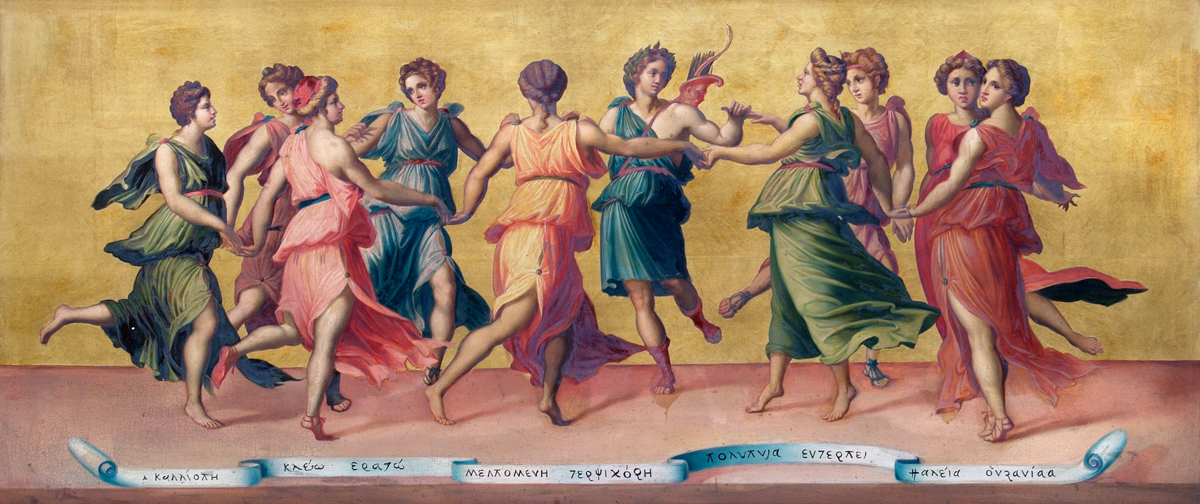
The Nine Muses
3 days ago
19

ME AND MY LONG LONG HAIR
4 days ago
24

MALL GODDESS
4 days ago
25

Links: Jane Austen, Podcasts, & More
5 days ago
25

📚 Where the algorithm goes
6 days ago
27
Popular

Iron Flame by Rebecca Yarros
1 month ago
97

Queer Manga and Manwha Series for your TBR
3 weeks ago
89

TRUCK IN THE MUCK
3 weeks ago
81

Review: Genius by Harold Bloom
3 weeks ago
79



HaBO: Heroine is in a Magical Stasis
3 weeks ago
61

Pen Pal by J.T. Geissinger
1 month ago
56

Mitad fuego, mitad huracán (Español) de Zou Nallane
2 weeks ago
53

 English (US) ·
 © Clint's Books 2026. All rights are reserved
