

On the way to a New Year’s Day hike, my eight-year-old daughter and I were talking about the Pledge of Allegiance. I had told her a silly story about misunderstanding the words in second grade. “Momma,” she responded, “the pledge ends by saying ‘and liberty and justice for all.’ If Black people still experience racism, how is that true? And what about immigrants? That’s unfair.” Yes, yes, it is unfair.
Every day, we hear about a deluge of injustices. Creating a better world often feels impossible, but giving up and doing nothing only helps those who maintain the status quo. The only way to make things better is to speak up, stand up for what’s right, challenge norms, and be disobedient in the face of the unfair. To “get in good trouble, necessary trouble,” as John Lewis said.
Children are keen observers of the unjust. While teaching disobedience might seem counterintuitive to caregivers, empowering children to stand up for what’s right and giving them the tools to do so will help them build confidence, protect their boundaries, and make their communities a better place. These picture books depict children disrupting the story, saying no, and enacting change: building blocks for intelligent disobedience in the fight for making the world fair.
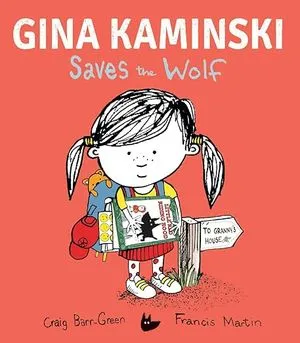
Gina Kaminski Saves the Wolf by Craig Barr-Green & Francis Martin
Modern fairytale retellings are a great place to find kids disrupting the narrative and challenging authority to save themselves and others. When Gina Kaminski reads “Little Red Riding Hood” at school, she scoffs at the ending. The wolf DIES! That’s unfair. To save the wolf, she hops into the fairytale and disrupts the story. She does so using her wits and kid logic. It’s a clever and funny read that encourages kids to question and reframe familiar stories and outcomes.
More picture book fairytales about intelligent disobedience: It’s Not Little Red Riding Hood, Federico and the Wolf, and Ra Pu Zel and the Stinky Tofu.
All Access members, read on for even more recommendations!
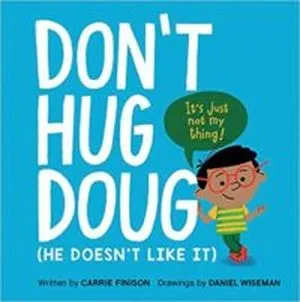
Don’t Hug Doug (He Doesn’t Like It) by Carrie Finison & Daniel Wiseman
While it can be frustrating for a caregiver to hear “no!” repeated, kids are learning about boundaries, and they need to feel safe doing so to develop the courage to say “no” in other situations. Don’t Hug Doug (He Doesn’t Like It) depicts a child firmly and politely saying “No” to hugs in a variety of scenarios: to a visiting grandparent, teammates after a baseball win, friends on his birthday. Doug sticks up for himself and sets personal boundaries, vital skills for children and adults.

Stacey Speaks Up by Stacey Abrams & Kitt Thomas
When kids feel safe saying “no” at home, it enables them to stand up to authority figures when they see an injustice. That’s exactly what Stacey does in this picture book. At lunch, Stacey notices some children aren’t eating. One child is turned away from the school lunch line because they do not have enough money. Stacey knows this isn’t fair. She asks the school librarian what she can do, and he encourages her to speak to the school board. While Stacey is nervous and scared to talk to authority figures, with the support of loved ones and the help of good friends, she does so. When talking to authority figures isn’t enough, she and other students lead a protest. By speaking up and challenging norms, Stacey makes her school a fairer place. She also learns the best ways to challenge authority.
More picture books about kids protesting for change: The Great Banned-Books Bake Sale and Sofia Valdez, Future Prez.

That Flag by Tameka Fryer Brown & Nikkolas Smith
While saying no to authority figures is hard, it can be even harder to say no to friends. Keira, who is Black, and Bianca, who is white, are best friends, but Keira isn’t allowed near Bianca’s house. This is because Bianca’s family flies a Confederate flag in their front yard. At a school field trip to a history museum, Keira learns the history of how Black people were enslaved, as well as the flag’s bloody history. While Keira is heartbroken, Bianca defends the flag as a symbol of Southern pride. Keira argues with Bianca and distances herself when Bianca sticks to her family’s interpretation of history. However, after a tragedy, Bianca admits she was wrong. Standing up for what’s right can be hard, and it might mean losing friends. This picture book demonstrates that staying true to yourself and the truth, as well as having those important yet challenging conversations, can lead to positive change.
More picture books about saying no to friends: I Can Say No and Willow Finds a Way.

No Voice Too Small by Lindsay H. Metcalf, Keila V. Dawson, & Jeanette Bradley
Kids also need examples of other young people protesting against injustice and enacting change. This picture book contains biographies of 14 kids who noticed something unfair and challenged norms to make their community and the world a better place. Among the stories shared are throwing protest parties against anti-immigration laws to fighting unfair LGBTQ+ policies and leading anti-bullying campaigns. Each mini-biography is accompanied by a poem written by a variety of kidlit authors and an illustration.
More picture book biographies about young activists: No World Too Big, Malala’s Magic Pencil, and All the Way to the Top, Right Now!
Get access to exclusive content and features with an All Access subscription on Book Riot.Join All Access to read this article









 English (US) ·