
For nearly two decades now, historians have been debating whether it is even possible to write the history of American slavery. Can an accurate story of a system of oppression be derived from sources created and preserved by the oppressors? In many ways it is a surprising controversy. For the generation of American historians working after the emergence of the mainstream civil rights movement in the mid-1950s, slavery studies represented perhaps the most exciting field of American historical scholarship, attracting an audience of general readers as well as the attention of prominent academics. Books about slavery were discussed in popular magazines and featured on the nightly news. Innovative methodologies, including demography and quantitative analysis, folklore, material culture, oral history, and family reconstitution opened new windows into the past. At the same time, changed assumptions about racial equality made the “moonlight and magnolias” South of Gone with the Wind and most earlier studies of slavery obsolete. Historians began to construct a rich and sobering narrative of the lives of both enslavers and enslaved, as well as a portrait of the system that bound them togethe...
Related

The Composer
17 hours ago
5


Want to Fight Book Bans? Start Here.
1 day ago
12

NO IFS, ANDS, OR BUTTS
3 days ago
20

Ming Smith’s Ming Smiths
3 days ago
21

📚 And the finalists are…
3 days ago
22

Links: Librarians, Cross Stitch, & More
4 days ago
24
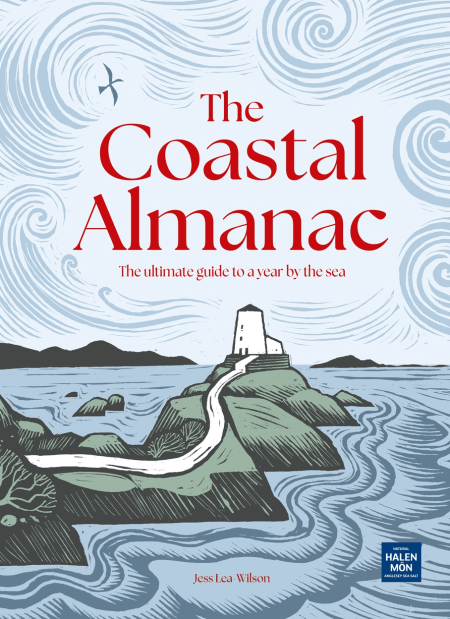
The Coastal Almanac by Jess Lea-Wilson
4 days ago
23
Popular
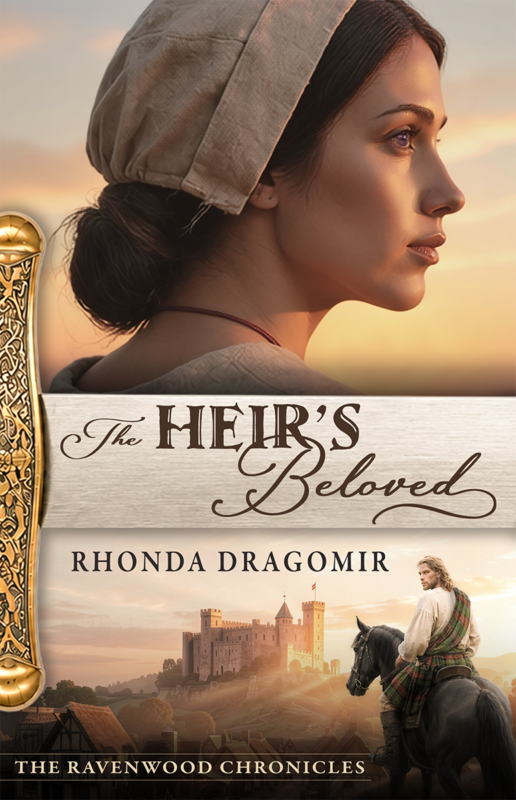
The Heir’s Beloved Blog Tour
1 week ago
158

Book of the Month October 2026 Selections
1 week ago
114


‘Writing on One Table’
3 weeks ago
63

New Graphic Novels for Hispanic Heritage Month
4 weeks ago
59

October 2026 Queer Romances
1 week ago
57

MAZYWOOD
2 weeks ago
56
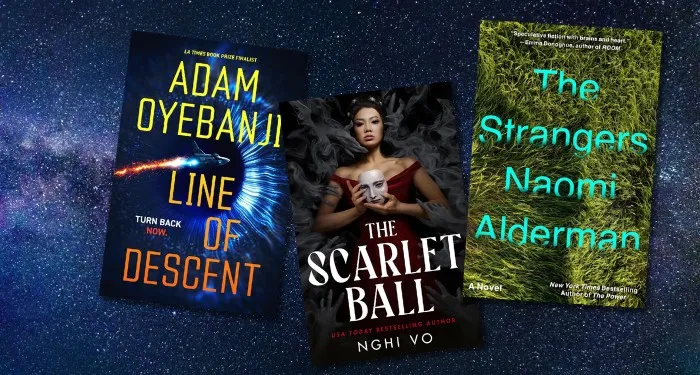

Mother Country
3 weeks ago
53
 English (US) ·
 © Clint's Books 2026. All rights are reserved
